
|
Getting your Trinity Audio player ready...
|
Jesus turned water into wine, as John commented in his Gospel, “This, the first of His signs, Jesus did at Cana in Galilee and manifested his glory. And His disciples believed Him (John 2:11, ESV).
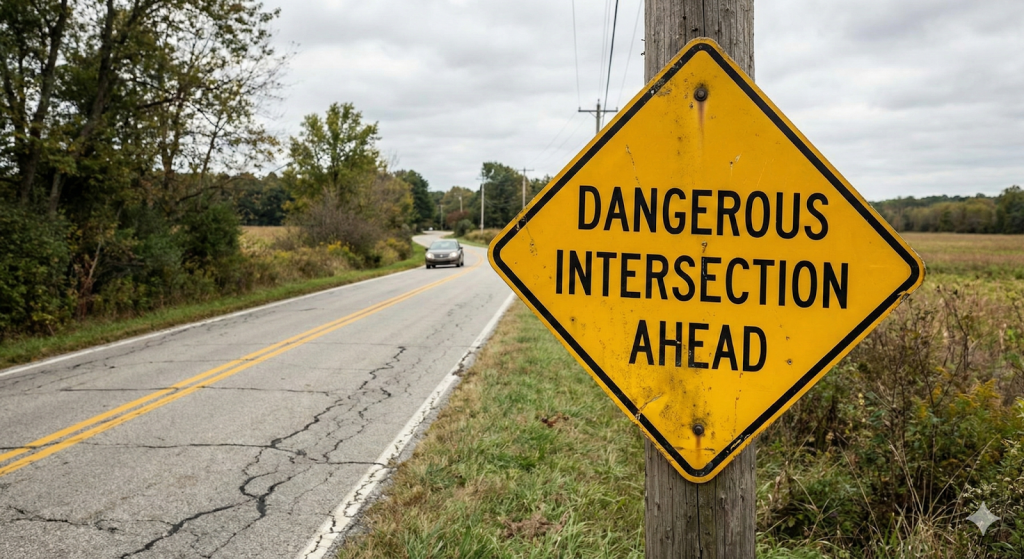
Driving at 200 yards from an intersection, a sign appeared: “Dangerous Intersection Ahead.”
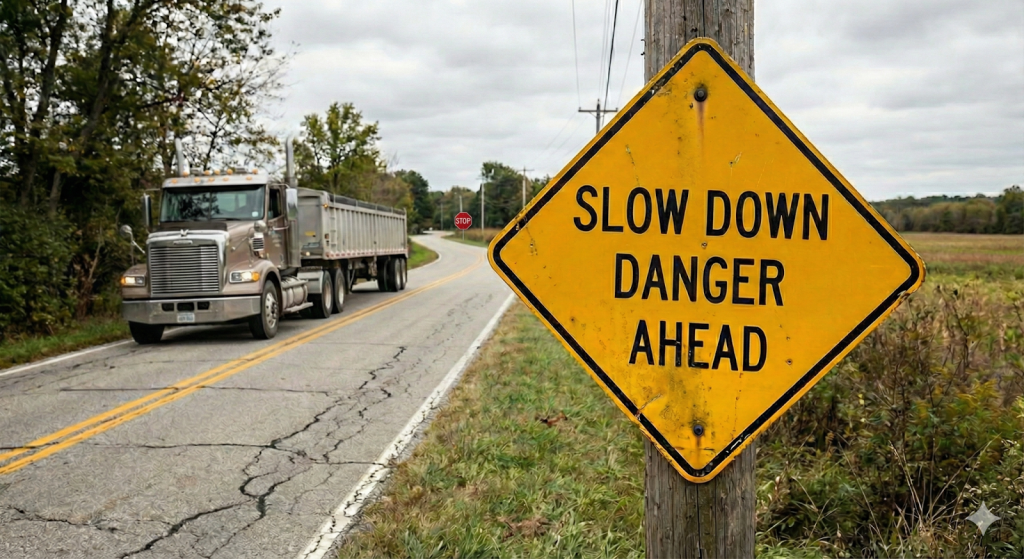
Then, 100 yards farther, “Slow Down Danger Ahead.”
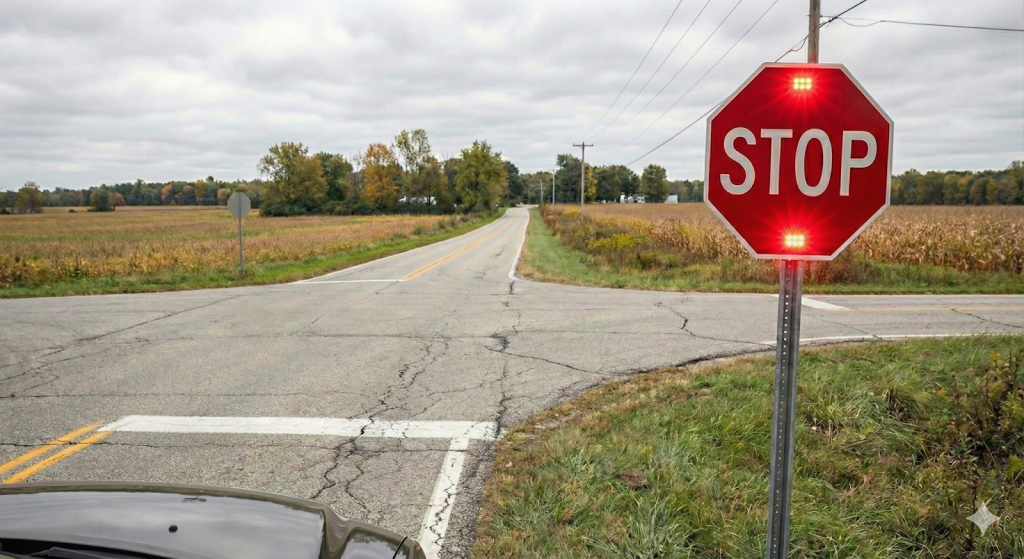
Then, 50 yards from the intersection, rumble strips in the blacktop, and finally a large red stop sign with flashing red lights.
You’d be stupid if you didn’t stop, and if you ran the stop sign, causing a car wreck, you would be without excuse. That’s the nature of “signs” to warn and encourage us to take note.
In the New Testament, the Biblical word for “signs” is used about 80 times, mostly in reference to the miracles and wonders of Jesus. The word could have been used more often in the Bible, as John testifies at the end of his Gospel…
Now Jesus did many other signs in the presence of the disciples, which are not written in this book; but these are written so that you may believe that Jesus is the Christ, the Son of God, and that by believing you may have life in his name (John 20:30-31).
Jesus performed miracles, both as a supernatural advertisement that the Kingdom of God had arrived and as a warning to not ignore Him. Hebrews 2:3-4 says…
How shall we escape if we neglect such a great salvation? It was declared at first by the Lord, and it was attested to us by those who heard, while God also bore witness by signs and wonders and various miracles and by gifts of the Holy Spirit distributed according to his will.
People react differently to signs.
Skeptics claim they are figments of the early church’s imagination. But leading New Testament scholar N.T. Wright states that the historical evidence for the literal resurrection of Jesus is as good, if not better, than that for any other historical fact in the ancient world. And miracles continue today, as Craig Keener, who writes extensively on the existence of miracles, concludes…
Western prejudice against acknowledging or exploring miracle claims rests not on a total lack of evidence for such claims, even in Western history, but on an a priori insistence that they be screened from consideration.
Signs as notices and warnings, both in the New Testament and today, do not guarantee salvation or righteousness. I’ve known believers who have experienced a miracle only to later reject God because of later events from which God didn’t respond according to their expectations of Him. One author I read debated a man who called himself a “nontheist” who ultimately didn’t believe in God because he had never seen a miracle.
That’s the problem with miracles, God’s in charge. They happen often, but not always in accordance with our commands, whims, or desires. The Pharisees asked for signs, but Jesus refused; he spontaneously healed a sick woman who touched His garment.
Signs exist as indicators of God’s power but also as a warning that He’s in charge. They point to Jesus as our Lord and Savior; we should stop and take heed. What’s lost if we proceed without Jesus?
Everything