
|
Getting your Trinity Audio player ready...
|
Whatever you do, work heartily, as for the Lord and not for men, knowing that from the Lord you will receive the inheritance as your reward. You are serving the Lord Christ (Colossians 3:23-24, ESV, emphasis added).
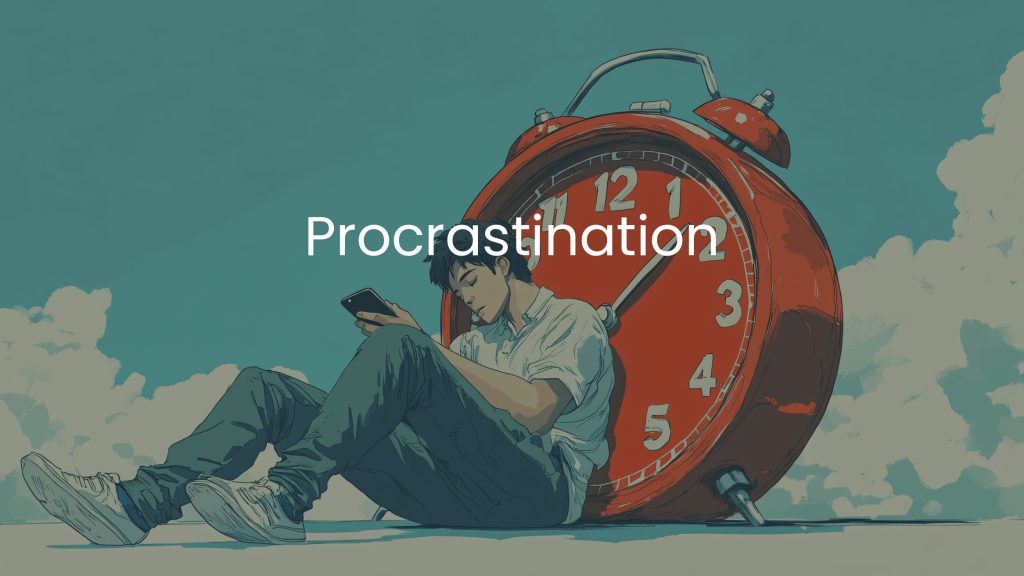
I just read an article from a sophisticated psychology journal that proclaimed procrastination is not laziness.
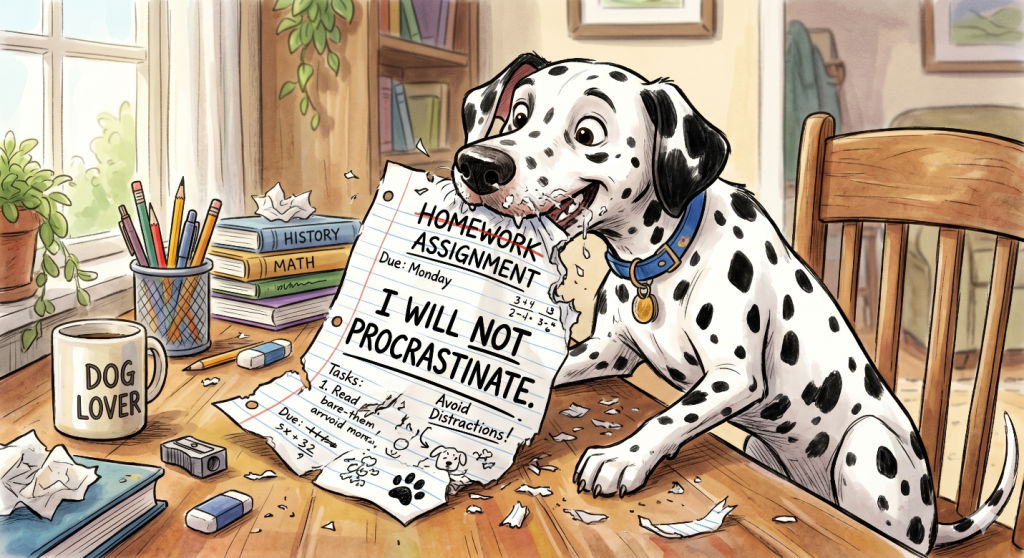
Whew, my first, second, third, fourth, fifth, sixth, middle school, and high school teachers were all wrong about my “laziness.” I now realize how stupid it was for me to proclaim that my dog had a habitual diet of homework assignments.
Let’s understand procrastination.
The word comes from a Latin word meaning “putting off till ad infinitum” (a Latin word meaning “forever”), things that you don’t want to do today. However, experts currently define procrastination as a “self-defeating behavior pattern marked by short-term benefits and long-term costs.”
HHHHMMMHHM … I think it would be easier to claim laziness for those “dog-ate” homework assignments than to confess to self-defeating behavior patterns.
One organization, free of laziness, has studied procrastination for 20 years and describes what happens to the brain when we put things off…
Procrastination initially feels good because it activates the brain’s reward system through dopamine release. Dopamine is a neurotransmitter associated with pleasure and satisfaction, often triggered by behaviors that provide immediate gratification. When you avoid a challenging or unpleasant task in favor of something more enjoyable—like watching TV, scrolling social media, or even organizing your desk—the brain experiences a short-term “reward” by reducing stress or discomfort in the moment.
This temporary relief circuits the brain’s emotional center to prioritize avoiding pain and seeking pleasure. However, this “quick fix” is fleeting and priced. The task you avoid doesn’t disappear; instead, it looms larger as deadlines approach, leading to heightened stress and feelings of guilt or failure.
This emotional aftermath can perpetuate the cycle of procrastination, as you might once again seek short-term comfort to escape those negative feelings.
We all procrastinate from time to time, while 25 percent of adults habitually put things off. What can we do?
I think Paul had a good solution in Colossians 3:23: we should work “heartily, as for the Lord.” In the Greek, “heartily” indicates that serving God can so animate our life that we enjoy doing God’s will. And we know it’s easy to do the things that we enjoy! Practice the following steps:
- Ask God to rewire your brain to enjoy the things of the Spirit (Galatians 5:22-23).
- Learn to “seek first” the Kingdom of God (Matthew 6:33) as our bodies have God-given DNA to enjoy the purpose of our creation (Ephesians 2:10).
- Pray to be filled with God’s indwelling Spirit (Ephesians 5:18).
My frustration with psychological studies is that they treat us as soul/body beings, but the Bible clearly teaches that we exist as spirit/soul/body humans (1 Thessalonians 5:23). Thus, psychology relies purely on soulish or physical techniques for overcoming procrastination while believing Christians can walk in the power of the Spirit.
When I became a believer, my tardy assignments in seminary disappeared completely because I was studying to serve God more fully and enjoyed it!